
Personalized Care
Advanced Health Care
Uterine Prolapse Treatment
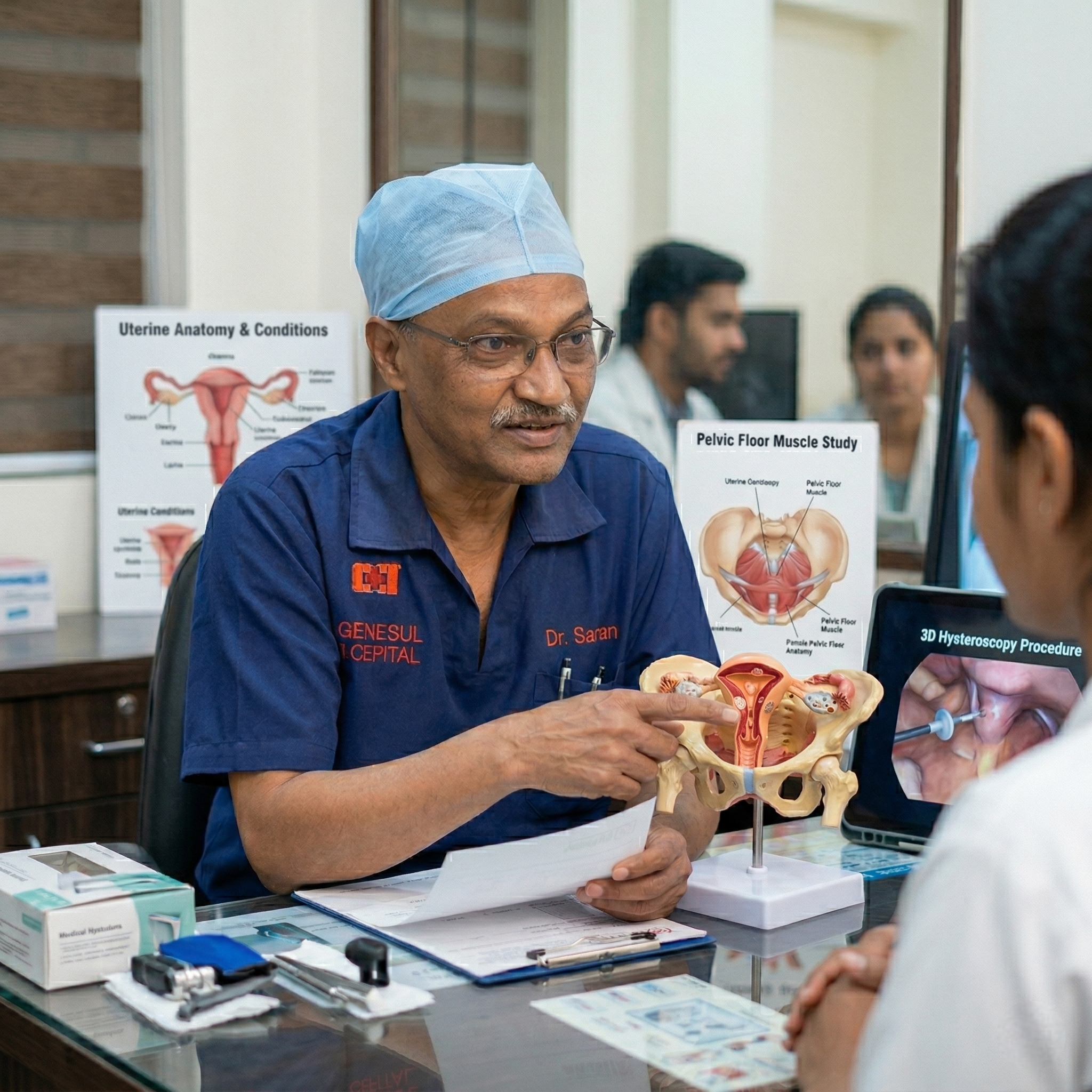
Provide by Dr. Ganga Sharan
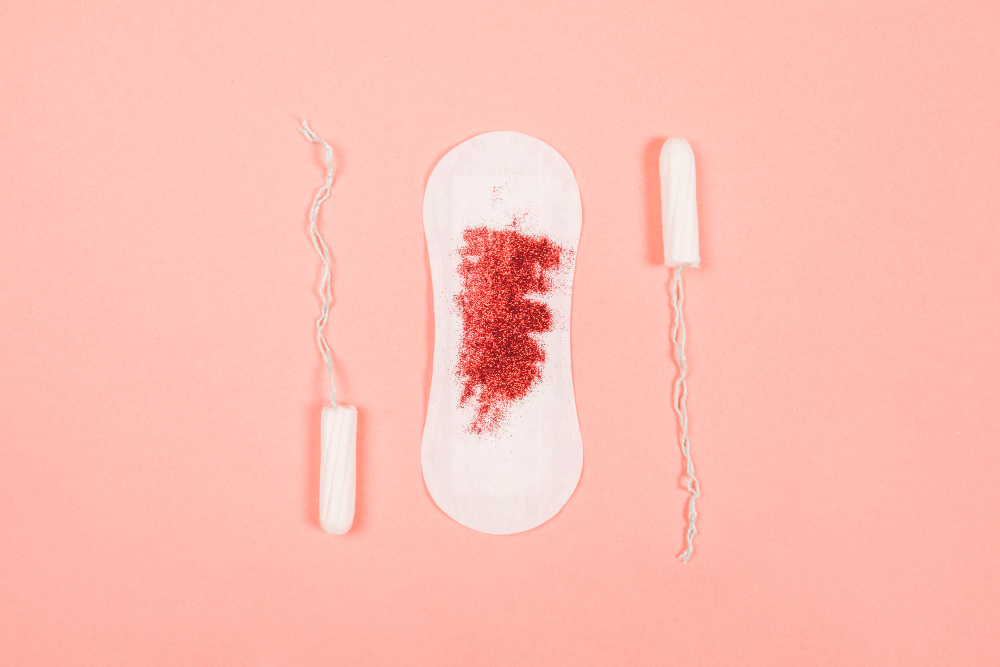
Abnormal uterine bleeding (AUB) is a broad term used to describe any deviation from the normal menstrual cycle, including changes in the frequency, duration, or volume of menstrual bleeding. It is a common gynaecological concern affecting women of all age groups, from adolescence to postmenopausal years. A normal menstrual cycle typically occurs every 21 to 35 days and lasts for about 3 to 7 days. Any bleeding outside these parameters, such as excessively heavy periods, frequent cycles, prolonged bleeding, spotting between periods, or bleeding after menopause, is considered abnormal and requires medical evaluation.
Patient Education
Understanding Abnormal Uterine Bleeding (AUB)
The causes of abnormal uterine bleeding are varied and may include hormonal imbalances, particularly in adolescents and perimenopausal women, where ovulation may be irregular. Structural abnormalities such as uterine fibroids, polyps, or adenomyosis can also contribute to heavy or irregular bleeding. Other causes include thyroid disorders, coagulation abnormalities, infections, and in some cases, precancerous or cancerous changes of the endometrium. Therefore, it is essential not to ignore persistent or unusual bleeding patterns
"Your health is an investment, not an expense. Early diagnosis is the first step to recovery."
— Women's Wellness Care
"Your health is an investment, not an expense. Early diagnosis is the first step to recovery."
— Women's Wellness Care
Conception
Common Symptoms of Fibroids
Evaluation of AUB involves a detailed medical history, physical examination, and appropriate investigations such as ultrasound imaging, blood tests to assess hormonal levels and general health, Pap smear for cervical screening, and, when indicated, endometrial sampling or biopsy.
Treatment is tailored to the underlying cause, the patient’s age, severity of symptoms, and reproductive goals. Medical management may include hormonal therapy, non-hormonal medications to control bleeding, and correction of underlying conditions. Minimally invasive procedures such as hysteroscopy allow direct visualization and treatment of intrauterine pathology. In more severe or refractory cases, surgical options such as myomectomy or hysterectomy may be recommended.
Menstrual Health
Managing Abnormal Uterine Bleeding (AUB)
Timely diagnosis and appropriate treatment of abnormal uterine bleeding are essential not only for symptom relief but also for preventing complications such as anemia and identifying serious underlying conditions at an early stage. Women are encouraged to seek medical advice promptly if they notice any changes in their menstrual patterns.
"Your health is an investment, not an expense. Early diagnosis is the first step to recovery."
— Women's Wellness Care
"Your health is an investment, not an expense. Early diagnosis is the first step to recovery."
— Women's Wellness Care
trusted
Why Choose Our Care
Adolescents require a different approach compared to adult patients. Our services are tailored to provide both medical expertise and emotional comfort. We provide:
- A safe and adolescent-friendly consultation environment
- Experienced gynaecology specialists
- Confidential and respectful care
- Personalized treatment strategies
- Modern diagnostic support
- Holistic health guidance
- Supportive counseling for both adolescents and parents
Our goal is to ensure that young girls feel comfortable discussing their concerns without fear or embarrassment.